
As noted in our prior post, MLB was debating whether to extend the pitch clock in the playoffs to give pitchers a bit more time between pitches. Ultimately, MLB decided against changing the pitch clock rules for the postseason. Mostly it was the players and the players association that were pushing for the extra time, but instead MLB held their ground and decided to maintain the regular season rules that allow pitchers 15 seconds with no runners on base and 20 seconds when there are runners between pitches.
As much as we here at BP detest the pitch clock and the introduction of a timer to a game that does not require one, we believe changing a rule (as horrible as this one) from the regular to the post season is making a bad decision even worse. Our core belief is why have one set of rules governing 162 games, but for some reason deeming those rules inadequate to cover a month of playoff games?
A couple of other thoughts about the post season pitch clock:
- Now that MLB has fully signed up for their pitch clock mania, they must now be dreading the possibility of a pitch clock violation deciding a crucial moment in a game. When in the past some type of technicality could never decide the outcome of a game, now the possibility, albeit unlikely does exist. If the pitch clock even decides even one semi-crucial moment there will likely be debate about the merits of a timer for some time to come.
- In the article linked above it notes completion of an average playoff and World Series game in 3 hours 23 minutes and 3 hours 24 minutes, respectively. Is there anyone who is a fan of their team and watching a game either at the stadium or on television who says to themselves after three hours, “When is this going to be over already”? If there are such people out there on this planet, then they are not true fans of the game nor their team.
Looking at point number two a bit closer, let us look at two franchises who are in the playoff picture who have not seen much post season play in recent history.
The Baltimore Orioles are currently first in the AL East, have the second best record in all of baseball, and are a lock to make the post season. The Orioles have not made the playoffs since 2016, and only three times in the past 25 years, racking up just two post season series’ wins during that time. The Cincinnati Reds are currently tied for the last wild card playoff spot in the National League. The Reds have made the playoffs four times in the last 27 years and have zero, yes ZERO playoff series’ wins during that period.
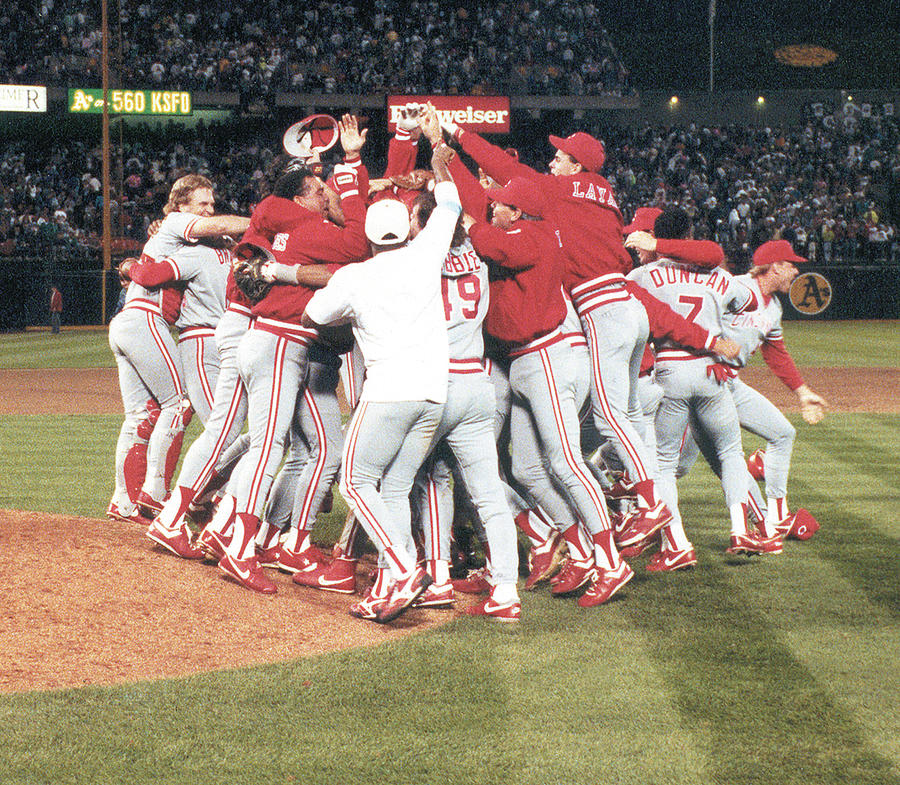
Does anyone who truly loves the game of baseball, but especially the fans in Baltimore and Cincinnati think that their love of the game will diminish if the playoff contest they watch lasted an extra half hour? In fact, the opposite is likely true. The fans of these teams who are so starved for post season baseball, likely cannot get enough of the playoff atmosphere. Why then rush their experience? Instead, they likely want to savor every moment. Who then are these pitch clock rules meant to appease? Not likely the true fans of their teams. Instead, it is more about bringing in the casual observer who do not necessarily want to hang around and watch a 3 hour plus playoff contest, but just to be entertained in the shortest period possible. Therefore, MLB has decided not to cater to the fervent fan who makes up the core of every team’s fan base, but instead kowtows to the casual observer to “broaden the appeal of the game”, no matter how it disrespects the origins of the game and foundation of its rules. In essence, MLB has decided to extend a hand and to reach out to the casual observer to do everything they can to bring them into the stands, while administering a back slap to the passionate baseball fan who essentially created the popularity of the sport, as we know it today.
God help us, since evidently Rob Manfred will not.

 Baseball Purist
Leave a comment